5 Common Mistakes When Disposing of Electrical Waste
Electrical waste is one of those things that looks simple until you actually have to get rid of it. A dead printer, a broken kettle, an old monitor gathering dust in the hallway, or a fridge that's finally given up can all seem harmless enough. But if you dispose of them the wrong way, you can create safety risks, miss recycling opportunities, and make a very ordinary clear-out more stressful than it needs to be.
This guide on 5 Common Mistakes When Disposing of Electrical Waste walks you through what people get wrong, why it matters, and how to handle unwanted electronics in a cleaner, safer, more sensible way. If you're clearing a single item or a whole roomful of old kit, the details below will help you avoid easy-to-make errors and make better decisions. Truth be told, most mistakes happen because people are in a hurry.
Table of Contents
- Why these mistakes matter
- How electrical waste disposal works
- Key benefits and practical advantages
- Who this is for and when it makes sense
- Step-by-step guidance
- Expert tips for better results
- Common mistakes to avoid
- Tools, resources and recommendations
- Law, compliance, standards and best practice
- Options and comparison
- Case study or real-world example
- Practical checklist
- Conclusion
- Frequently asked questions
Why 5 Common Mistakes When Disposing of Electrical Waste Matters
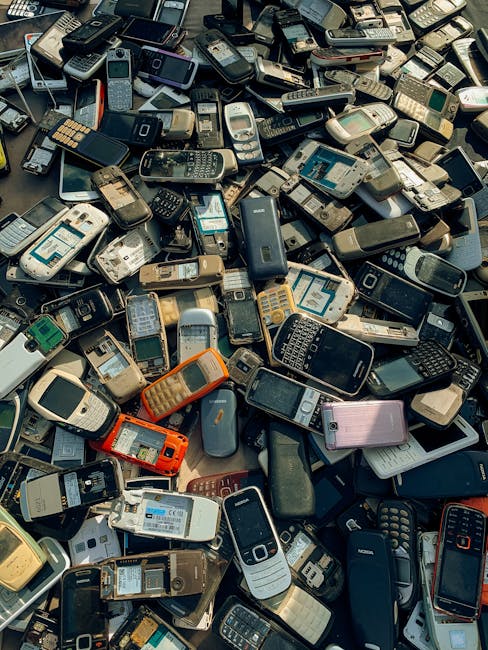
Electrical waste, often called e-waste or WEEE in the UK, includes anything with a plug, battery, circuit board, or wiring that has reached the end of its useful life. That can mean small household items, large appliances, office equipment, chargers, power tools, and even mixed loads from a house move or clearance.
The reason the topic matters is not just environmental. It's practical. Electrical items can contain metals, plastics, wiring, refrigerants, batteries, and sometimes components that need careful handling. A cracked laptop battery, for example, is not something you want tucked into general rubbish. Nor is an old fridge that may need specialist treatment before disposal.
There's also a very ordinary but important truth here: many people don't know which route is right. Council collection, private waste removal, recycling drop-off, retailer take-back, or a specialist clearance service each have different expectations. Pick the wrong one, and you might face delays, extra effort, or unsafe handling. Pick the right one, and the whole process becomes much easier.
In our experience, the biggest problems happen when electrical waste is treated like general household rubbish. It looks harmless sitting in a corner. Then the bags start piling up, the cables tangle, and suddenly the "I'll sort it later" approach becomes a proper chore. Sound familiar?
Expert summary: The safest approach is to identify the item, separate batteries and accessories where needed, choose a proper collection or recycling route, and keep damaged or bulky electrical goods out of ordinary waste streams.
How 5 Common Mistakes When Disposing of Electrical Waste Works
Despite the title, this is really about the process behind good disposal. Electrical waste disposal usually follows a simple sequence:
- Identify the item and whether it contains batteries, refrigerants, lamps, or sensitive components.
- Check whether it can be reused, repaired, donated, or should go straight to recycling.
- Separate related items such as chargers, leads, batteries, and remotes.
- Choose a disposal route: local council service, private collection, retailer take-back, or a recycling facility.
- Make sure the item is collected or dropped off safely and documented appropriately if you are disposing of business waste.
The mistakes usually happen at the decision points. Someone assumes the item can go in the bin. Or they leave batteries inside a device. Or they book a general rubbish removal service without checking whether electrical items are accepted. Tiny slip-ups, but they can have a knock-on effect.
For households, the process is usually about convenience and safety. For businesses, there is often an extra layer of responsibility, because office equipment, screens, servers, printers, and mixed IT kit may need handling in line with waste duty-of-care expectations. If you're clearing a workplace, office clearance and business waste removal services are often more suitable than simply trying to bundle everything into a one-off trip.
A small but useful point: electrical waste is often lighter than people think, until you start moving it. Then the awkwardness shows up. A monitor under one arm, a box of tangled cables in the other, and a printer that somehow weighs as much as a suitcase full of bricks. Not ideal.
Key Benefits and Practical Advantages
Doing electrical waste disposal properly gives you more than peace of mind. It can save time, reduce mess, and keep your home or workplace safer.
- Safer handling: Damaged batteries, loose wires, and heavy appliances are easier to manage when they're dealt with correctly.
- Less clutter: Old devices can take up far more space than expected, especially in lofts, garages, and spare rooms.
- Better recycling outcomes: Many electrical items contain materials that can be recovered and reused.
- Cleaner moves and refurbishments: Electrical waste often appears during house clearances, office moves, or renovation projects.
- Reduced compliance risk: Businesses avoid avoidable mistakes by using proper routes for disposal and keeping records where needed.
There's also a subtle benefit that people underestimate: momentum. Once you've handled the electrical waste correctly, the rest of the clear-out feels more manageable. One shelf, one cupboard, one room at a time. The stress drops a notch.
If you're combining electronics with general household clear-outs, services such as waste collection or waste disposal can be useful starting points, while larger mixed jobs may suit waste removal or rubbish removal.
Who This Is For and When It Makes Sense
This topic matters to more people than you might think. If you have anything with a plug, battery, screen, or circuit board, you're probably dealing with electrical waste at some point.
Typical readers include:
- Homeowners replacing appliances or clearing storage spaces
- Tenants moving out of flats or shared houses
- Landlords clearing left-behind equipment
- Office managers upgrading IT and electrical equipment
- Small businesses with old monitors, printers, and peripherals
- Anyone with bulky items that are too awkward for normal bin routes
It also makes sense if you're dealing with mixed loads. A garage clear-out may uncover an old freezer, broken extension leads, a sound system, and random adapters from three different generations of devices. That's where people get stuck. Do you sort everything individually, or book a service that can handle the lot?
For bulky or awkward items, a specialist approach often works better. Pages such as bulky waste collection, bulk waste collection, and large item collection can be relevant when the problem is not just the electrical item itself, but the size and weight of the whole load.
Step-by-Step Guidance
Here's a practical way to handle electrical waste without overcomplicating it.
1. Separate electrical items from general rubbish
Start by creating one pile for electricals. Keep appliances, gadgets, cables, chargers, batteries, lamps, and computer accessories together. This avoids accidental mixing, which is one of the most common mistakes people make.
2. Check whether the item still has value
Be honest. If a device still works, it may be suitable for reuse, resale, or donation. If it's repairable, that can be a better option than disposal. Even a slight improvement in handling helps reduce waste. No need to bin something just because it's old.
3. Remove accessories and consumables where possible
Take out batteries if they can be removed safely. Detach ink cartridges, memory cards, discs, or loose accessories. If a device has a rechargeable battery built in, don't force it open unless you know what you're doing. That's a bad trade.
4. Check for special items
Fridges, freezers, air conditioners, and similar appliances often need specialist handling because of refrigerants and heavier components. Old lighting, screens, or damaged batteries can also need extra care. If in doubt, treat the item as special rather than ordinary.
5. Choose the right disposal route
For a single household item, a council route may be enough. For mixed, bulky, or time-sensitive clearances, a private collection may save a lot of faff. If the waste is business-related, make sure the service can handle electrical waste properly and give you the right paperwork or reassurance.
6. Keep items accessible for collection
Put electrical waste somewhere dry and easy to reach. A hallway, garage corner, or ground-floor room is usually better than a packed loft where everything has to be lifted down twice. That little bit of planning really helps on collection day.
7. Confirm what happens next
If you're using a removal service, ask whether items will be reused, recycled, or processed through a compliant waste route. If the provider also handles related clearances like home clearance, house clearance, or garage clearance, that can be handy when electrical waste is only part of the job.
Expert Tips for Better Results
These are the small details that make disposal easier and safer.
- Keep batteries separate: Tape battery terminals if advised by your recycler or collection provider, especially for loose lithium batteries.
- Photograph valuable items before disposal: It's a sensible habit for businesses and landlords, particularly when equipment is being cleared in batches.
- Don't overfill boxes: Heavy devices and loose cables can create messy, awkward loads. Small boxes are easier to lift and sort.
- Label mixed loads: A quick note like "screens," "cables," or "appliances" helps the collection team and reduces mistakes.
- Watch for damage: If a device is crushed, leaking, swollen, or hot, do not treat it casually. Set it aside and seek appropriate advice from the disposal provider.
One practical observation: people often focus on the obvious big item and forget the little extras. Chargers, docking stations, remotes, batteries, and power bricks add up fast. By the time you've found the third spare cable, you'll wish you'd sorted them earlier. Little things, big tangle.
If sustainability is important to you, take a look at the company's approach to reuse and recycling too. A page like recycling and sustainability can help you understand the broader approach behind the service, not just the pickup itself.
Common Mistakes to Avoid
Now we get to the heart of the subject. These are the five mistakes that cause the most trouble when people dispose of electrical waste.
1. Putting electrical waste in general rubbish
This is the biggest and most avoidable error. Small gadgets, cables, chargers, and broken electronics may seem harmless, but they don't belong in normal household waste. You risk contamination, damage during collection, and missed recycling opportunities. If you remember nothing else, remember this one.
2. Leaving batteries inside devices
Batteries deserve special attention because they can pose a fire or leakage risk if handled badly. People often forget them in toys, remote controls, cameras, drills, or old laptop packs. Before disposal, check whether batteries can be removed safely and stored separately.
3. Mixing electrical waste with bulky furniture or renovation debris
During a clear-out, it's easy to throw everything into one pile and hope for the best. But electricals, wood, plaster, metal, and furniture often need different handling. If you're already removing items like sofas, wardrobes, or beds, services such as furniture disposal and bed disposal may be relevant alongside electrical waste collection.
4. Ignoring specialist handling for fridges, freezers, and similar appliances
Fridges and freezers are not just large boxes with shelves. They can contain components that need proper treatment. The same goes for some white goods and larger appliances. If you are disposing of one, check whether a dedicated route is needed rather than assuming it can go out with ordinary bulky waste.
5. Choosing convenience over compliance or safety
Let's face it, everyone loves the easy option. But the cheapest or quickest route is not always the correct one. A collection service should be able to explain what they take, how items are processed, and whether any categories need separating beforehand. If they can't explain that clearly, it's a warning sign.
A fifth mistake people make, if we're being a bit broader, is assuming all electrical waste is identical. It isn't. A broken toaster, a server, a cracked monitor, and an old freezer have different handling needs. Treating them all the same is where things go sideways.
Tools, Resources and Recommendations
You do not need complicated equipment to manage electrical waste properly. A few simple tools and habits are enough.
| Helpful item | Why it helps | Best use |
|---|---|---|
| Strong boxes or tubs | Keeps cables, chargers, and small devices together | Small electronics and accessories |
| Labels or marker pens | Makes sorting faster and clearer | Mixed clear-outs and business jobs |
| Tape for battery terminals | Can reduce short-circuit risk on loose batteries | Battery storage before drop-off |
| Dust sheets or covers | Protects items kept temporarily before collection | Home, loft, garage, office storage |
| Camera phone | Useful for inventory and proof of condition | Landlords, offices, larger clearances |
When choosing a disposal route, ask a few plain-English questions:
- Do you take all electrical waste, or only certain types?
- Do I need to remove batteries, cables, or accessories first?
- Can you handle bulky appliances as well as small electronics?
- How do you separate reusable, recyclable, and non-recyclable items?
- Is this suitable for household and business waste alike?
If your clear-out includes a wider mix of household or commercial waste, you may also find rubbish clearance or waste clearance useful as broader options, especially when electricals are only one part of the load.
Law, Compliance, Standards, or Best Practice
Electrical waste disposal in the UK is shaped by general waste responsibilities, safe handling expectations, and accepted recycling practices. For business users, there is usually an added duty to make sure waste is transferred to a legitimate, suitable operator and handled without causing harm or contamination. The exact requirements can vary depending on the item, the setting, and how the waste is classified.
For households, the main concern is less about formal paperwork and more about choosing a correct and safe route. That said, it still matters that you do not leave electrical items in general rubbish if a better route is available. Councils, retailers, and specialist operators may all have different rules for collection or drop-off, so it's worth checking the practical details before you move anything.
Best practice usually includes:
- Separating electricals from general waste
- Removing batteries where safe to do so
- Using a suitable collection or recycling route
- Keeping records where business disposal is involved
- Making sure damaged or hazardous items are handled cautiously
If you're not sure whether an item is standard electrical waste or something more complex, ask before disposal. That single question can prevent a lot of hassle. And sometimes, to be fair, it saves a trip you didn't want to make anyway.
Options, Methods, or Comparison Table
There is more than one way to deal with electrical waste, and the right choice depends on the item, quantity, urgency, and who owns the waste.
| Method | Best for | Pros | Things to watch |
|---|---|---|---|
| Council collection or drop-off | Single household items or small quantities | Convenient for local residents; familiar process | May have item limits or booking rules |
| Private waste collection | Bulky, mixed, or time-sensitive loads | Flexible; can handle several item types in one visit | Check exactly what is accepted |
| Retailer take-back or return route | Specific product types or replacement items | Can be convenient when buying new equipment | Not always available for all items |
| Reuse or donation | Working items with useful life left | Extends product life; reduces waste | Only suitable if the item is safe and functional |
If the load includes furniture, old appliances, or mixed household clutter, it may be more efficient to combine disposal through services like furniture collection, white goods recycle, or fridge disposal depending on what's actually leaving the property.
Case Study or Real-World Example
A fairly typical example: a small London office is refurbishing two rooms after moving desks around. They've got old monitors, a couple of desktop towers, a box of cables, a broken printer, and a spare fridge from the staff kitchen. Nothing dramatic, just one of those jobs that looks manageable until it's all standing there in a corner by the fire exit.
At first, the team plans to throw everything into one general clearance. Then someone spots the pile of loose batteries in a desk drawer and realises the electricals need separate handling. That's the moment the job gets easier, not harder. They split the waste into devices, cables, and appliances, confirm what the collection provider will accept, and keep the heavy items accessible at ground level.
The result? Less confusion on the day, fewer last-minute decisions, and no awkward improvising with items that clearly needed different treatment. It's a small thing, really, but that's the point. Good disposal is usually a series of small sensible choices rather than one grand gesture.
For larger premises or office moves, services such as office clearance and business waste removal can fit naturally into the wider project, especially when electrical waste is only one part of the job.
Practical Checklist
Use this before you arrange collection or drop items off.
- Have I separated electrical waste from general rubbish?
- Have I checked for removable batteries, chargers, and accessories?
- Do any items need specialist handling, such as fridges or damaged batteries?
- Have I decided whether reuse, repair, or donation is possible?
- Have I chosen the right collection or recycling route?
- Are the items easy to access for collection?
- If this is business waste, do I know what documentation or confirmation I need?
- Have I avoided mixing electricals with furniture, plasterboard, or garden waste?
- Do I know who I'm speaking to if something looks unsafe or unusual?
Quick takeaway: If you sort electrical waste early, keep batteries separate, and choose the right disposal route, the whole job becomes quicker, safer, and far less annoying. Simple, but effective.
Conclusion
The five most common mistakes in electrical waste disposal are easy to make because they usually start with good intentions and a rushed decision. But once you know what to look for, the process becomes much clearer. Separate your electricals, check for batteries, treat bulky or specialist items properly, and use a disposal route that fits the item rather than forcing everything into one solution.
Whether you're clearing a single broken appliance or dealing with a full house, office, or garage load, a little organisation goes a long way. And honestly, that first sorted pile of cables, chargers, and old devices can feel like a small win. It is a small win.
Get a free quote today and see how much you can save.
When you handle electrical waste carefully, you make the space safer, the clear-out easier, and the next step much less daunting. That's a good place to finish.
Frequently Asked Questions
What counts as electrical waste?
Electrical waste includes items that need electricity or contain circuits, plugs, batteries, or wiring. Common examples are kettles, toasters, televisions, laptops, printers, chargers, and many household appliances.
Can I put small electrical items in my general rubbish bin?
Usually, no. Even small items can contain materials that should be handled separately. It's better to use a proper recycling, collection, or take-back route instead of mixing them with ordinary rubbish.
Do I need to remove batteries before disposal?
If it can be done safely, yes. Loose batteries should normally be separated from the device. If the battery is built in or damaged, do not force it. Ask the disposal provider for guidance first.
What should I do with old fridges or freezers?
Fridges and freezers often need specialist disposal because of their size and internal components. It's best to use a route that specifically accepts white goods or refrigeration appliances.
Is it better to recycle or reuse electrical waste?
Reuse is usually the best option if the item still works safely. If not, recycling is the next sensible step. The aim is to keep usable life in the item for as long as possible before recycling the materials.
How do I dispose of office electrical equipment?
Office equipment such as monitors, laptops, printers, and cables should be separated and handled through a suitable business or office clearance route. If you need to clear a full workspace, it helps to plan the load in advance.
Can damaged electrical items be collected?
Often yes, but they should be declared clearly before collection. Damaged batteries, smashed screens, or items that are hot, leaking, or swollen may need extra caution, so don't hide the problem in the middle of the pile.
What happens to electrical waste after collection?
It is usually sorted for reuse, recycling, or further treatment depending on the item and condition. Some parts may be recovered, while others are processed as waste. The exact route depends on the service and the material.
How can I tell if a service is suitable for electrical waste?
Ask directly whether they accept the type of item you have, whether batteries need removing, and how they handle bulky appliances. A clear answer is usually a good sign. Vague answers are not.
Is electrical waste disposal different for businesses?
Yes, it can be. Businesses often need to think about duty of care, item tracking, and appropriate transfer to a legitimate waste operator. The practical process can also be more complex if there is a lot of mixed equipment.
What is the easiest way to handle a house full of mixed waste and old electronics?
Start by separating electricals from general clutter, then group bulky items, furniture, and white goods into their own piles. If the job is large, a combined clearance service is usually easier than trying to deal with everything one item at a time.
Why do people make so many mistakes with electrical waste?
Mostly because electrical items are scattered around the home or workplace and don't feel urgent until they pile up. Then people rush. A little planning prevents that. Not glamorous, but true.