Harrys Waste: Recycling and Sustainability Commitment
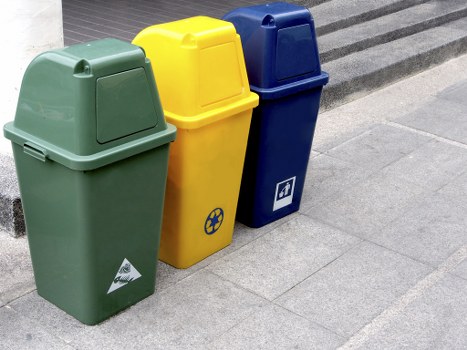 Harrys Waste is committed to building a greener future for our towns and boroughs through practical, measurable recycling and sustainability actions. Our core aim is clear: reach a 70% household recycling rate across the areas we serve by 2030 while minimizing residual waste sent to landfill. This ambition is guided by evidence, local priorities and realistic investment in infrastructure and people.
We recognise that each borough and neighbourhood has a slightly different approach to waste separation, from separate food-waste collections to fortnightly dry recycling lifts and glass-only bring-banks in town centres. Harry's Waste tailors services to these local systems so residents benefit from higher capture rates for organics, paper, card, glass and metal, while keeping contamination low.
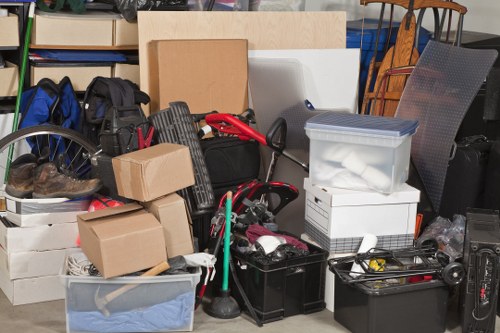 Local recycling activity highlights include targeted textile collection drives, weekly kitchen-waste pickups in densely populated wards, and expanded collection points for rigid plastics and small electricals. Our teams coordinate with borough recycling officers to support doorstep education and seasonal campaigns that reflect each area's separation rules and calendar.
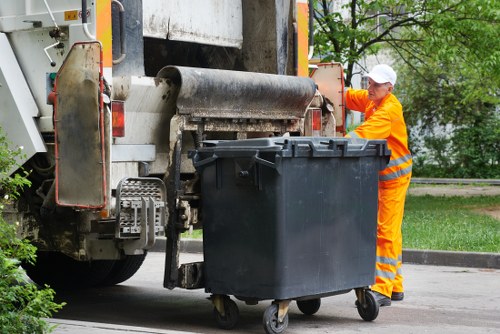
Network of Local Transfer Stations
To ensure materials are handled efficiently and sustainably, Harrys Waste operates and partners with a network of local transfer stations. These are strategically located to reduce vehicle miles and allow quick sorting and onward transport to specialist processors. By moving collections to a nearby transfer site rather than long-haul trips to distant facilities, we cut emissions and reduce traffic impacts in residential areas.Our transfer station partners include municipal sites, community-owned yards and regional material recovery facilities. We work closely with each operator to optimise load consolidation, maximise recycling yields and track material destinations so that harrys waste can report robust diversion metrics and demonstrate a transparent supply chain for recyclables.
Partnerships with Charities and Reuse Organisations
Harrys Waste places a strong emphasis on reuse before recycling. We partner with local charities, social enterprises and furniture banks to divert usable items from the waste stream ??? from household furniture and working white goods to textiles and books. These relationships deliver social value by supporting people in need and reducing the environmental impact of producing new goods.By integrating charity collections into our service offer, we give residents practical options for donating items during bulky-waste collections and community clear-outs. Our teams coordinate scheduling, perform basic safety checks and ensure items suitable for reuse are channelled quickly to organisations that can redistribute them. This collaborative reuse model strengthens local economy and community resilience while lowering overall resource demand.
Initiatives and measurable actions include:
- Targeted diversion programmes for organic waste to local anaerobic digestion plants.
- Separate textile banks and periodic kerbside textile collections aligned with council services.
- Expanded capture of small WEEE (electricals) and a policy to reuse or responsibly recycle components.
- Educational outreach jointly delivered with boroughs to reduce contamination in blue bins and food caddies.
These actions are supported by data-driven monitoring so that our progress toward the 70% recycling goal is continuously evaluated and adapted where necessary.
![A person wearing a dark T-shirt is seen lifting a clear plastic rubbish bag filled with various discarded materials, such as papers and packaging, and depositing it into a large black waste bin positioned outdoors on a paved surface. The scene takes place in a semi-enclosed area with wooden and metal structures visible in the background, suggesting a garden shed or storage space. The image has low lighting, with shadows cast across the scene, emphasizing the activity of rubbish disposal. This depiction reflects waste management practices where individuals engage in rubbish removal, potentially for recycling or disposal, aligned with services offered by Harrys Waste, especially within a residential area near [POSTCODE] and [TOWN]. The textured plastic bag contrasts with the smooth surface of the bin, and the overall environment indicates a typical outdoor setting for rubbish collection and waste disposal activities.](/pub/_photos/rubbish/f1347174400.jpg)
Low-Carbon Fleet and Transport Strategy
Harrys Waste is transforming its collection fleet to reduce carbon emissions and improve local air quality. Our investment programme includes electric and plug-in hybrid vans for crew transport and smaller collection rounds, alongside Euro 6 low-emission collection vehicles for heavier loads. We are committed to a phased replacement plan with the objective of a fully low-emission fleet for urban collections well before 2035.Low-carbon vehicles are supported by route optimisation software, off-peak transfer scheduling and depot charging infrastructure. These measures collectively cut fuel use and emissions, reducing the carbon footprint of each tonne of recycled material handled by harry's waste services.
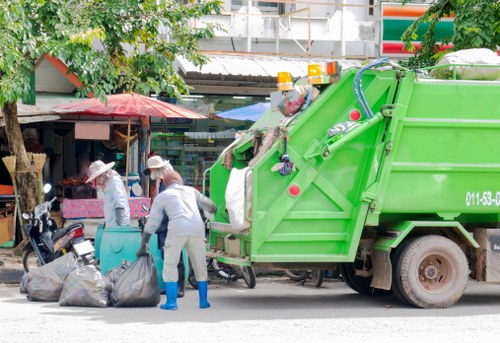
Reporting, Targets and Community Collaboration
Transparency is central to our sustainability approach. We publish annual recycling performance metrics, including tonnages diverted, estimated greenhouse gas savings and percentage recycled at a borough level. Our recycling percentage target is ambitious but achievable because it is backed by partnerships with local authorities, transfer station operators, charities and processing plants.We also support behavioural change through community events, school programmes and targeted campaigns to reduce contamination, increase food-waste capture and promote reuse. By aligning with borough separation rules ??? whether that means mixed dry recycling or separate glass collections ??? Harrys Waste ensures messaging and practical services are locally relevant and effective.
Ultimately, our sustainability programme combines people, place and technology. From local transfer stations that shorten material journeys, to charity partnerships that give items a second life, and a low-carbon van fleet that reduces emissions, the harrys waste family is working to make circular, low-impact waste management the norm in every neighbourhood we serve.
Our pledge: accelerate recycling, boost reuse, cut transport emissions and support borough-level separation schemes ??? all to secure a cleaner, fairer environment for current and future generations.