Best Money-Saving Practices for Bulky Waste Disposal
Handling bulky waste disposal can be a daunting and expensive task, whether you're moving, renovating, or just decluttering. While tossing out large items such as furniture, appliances, or garden debris often seems easiest, there are smarter, environmentally friendly, and cost-effective strategies to consider.
In this comprehensive guide, we explore the best money-saving practices for disposing of bulky waste, offering actionable tips, responsible disposal methods, and creative alternatives. Adopting these practices not only saves money but also benefits the environment and your local community.
Understanding Bulky Waste: What Qualifies?
Before delving into cost-saving strategies, it's essential to understand what bulky waste means. Bulky waste, also known as "bulk trash," refers to items too large to be disposed of through regular household waste collection systems. Common examples include:
- Couches and sofas
- Mattresses and beds
- Armchairs and recliners
- Large household appliances (refrigerators, ovens, washing machines)
- Garden waste (tree branches, shrubs, large plant pots)
- Construction and renovation debris
These items require special handling, which can lead to significant disposal costs if not managed wisely. By utilizing best money-saving practices for bulky waste management, you can reduce these costs - and even turn some "trash" into "treasure."
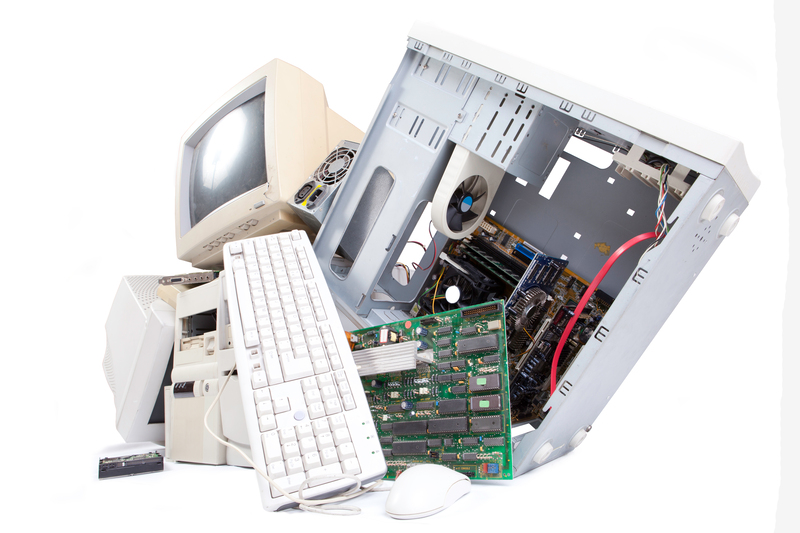
Evaluate Your Bulky Waste Disposal Options
The first step toward saving money is researching your disposal options. Depending on where you live, availability and pricing may vary. Here are the main options for bulky item disposal:
- Municipal bulky waste collection services
- Private haulers
- Drop-off facilities and recycling centers
- Donation and resale
- Community swap events
- DIY disposal
Below, we break down each of these options, emphasizing those with the greatest money-saving potential.
1. Municipal Collection Services
Most cities and towns offer free or low-cost bulky waste pickup for residents, though there are often restrictions on eligible items, collection schedules, and volume limits.
- Check for free collection events: Municipalities frequently hold spring and autumn cleanup efforts, allowing residents to dispose of large items without extra fees.
- Understand limits and schedules: Regularly scheduled pickups may be monthly, quarterly, or by appointment. Exceeding size or item quotas may incur charges, so plan accordingly.
- Tip: Book appointments early, as slots fill up quickly, especially during peak cleanout seasons!
2. Private Hauling Services
Hiring a junk removal company is convenient but can be costly if used as your only solution. However, there are ways to minimize expenses:
- Group with neighbors: Coordinate with neighbors to share a pickup appointment and split the cost.
- Opt for curbside pickup: Some haulers offer discounts if items are left at the curb rather than picked up from inside your home.
- Get multiple quotes: Always request quotes from several companies and compare their rates and recycling policies.
Best Money-Saving Tips for Bulky Waste Disposal
1. Reuse, Repurpose, or Upcycle Whenever Possible
Before paying to dispose of items, consider whether they can be reused, repurposed, or upcycled. Get creative:
- Repurpose wooden furniture into garden planters, shelves, pet beds, or workshop benches.
- Upcycle appliances as storage containers or artistic projects.
- Salvage parts (hardware, metal, glass) for other DIY uses.
Many local artists, schools, and community centers welcome donations of materials for creative projects.
2. Donate Gently Used Items
Charities such as the Salvation Army, Goodwill, Habitat for Humanity ReStores, and local shelters often accept furniture and appliances in good condition. Free donation pick-up is typically available, saving both disposal fees and landfill space.
- Confirm donation guidelines before arranging pickup.
- Ask for a receipt: Donations may be tax-deductible, providing additional monetary value to your household.
3. Sell or Give Away Bulky Waste Online
The adage "one person's trash is another's treasure" rings true in the digital age. Selling or giving away bulky items online is an effective money-saving practice for bulky waste disposal:
- Use popular platforms: Facebook Marketplace, Craigslist, OfferUp, Freecycle, and Nextdoor are ideal for local furniture and appliance sales or giveaways.
- Highlight condition and size: Clear photos and dimensions attract more interest and avoid pickup issues.
- Offer items for free if you need quick removal and want to skip disposal fees.
Bonus: Buyers often handle pickup, meaning you save on both financial and physical effort!
4. Attend or Organize a Community Swap Event
Many communities host "swap days" or "free pile" events where residents exchange or claim unwanted large items.
- Swap bulky furniture and housewares instead of paying to dispose of them.
- Network with neighbors: Sometimes, someone nearby is looking for exactly what you have!
- Community events encourage responsible disposal and reduce landfill waste.
5. Utilize Recycling Centers and Landfill Drop-Offs
Many recycling centers accept large items such as scrap metal, wood, electronics, and appliances. Rates are generally much lower than hiring a private hauler.
- Separate recyclables: If you can break down your items (e.g., remove metal from sofas or electronics from appliances), you'll often pay less by disposing of components separately.
- Check local guidelines: Some centers only accept certain items or require proof of residency.
- Look for scheduled recycling events: Municipalities often host electronics, mattress, or scrap metal recycling days.
Tip: Some materials, such as scrap metal or working appliances, may even earn you cash at recycling centers.
DIY Bulky Waste Disposal: Maximizing Savings
Doing it yourself is often the most affordable option, especially for smaller quantities or if you have access to a truck or trailer. Here's how to maximize those savings:
1. Rent a Truck or Trailer with Friends
Renting a moving van or borrowing a trailer for a day lets you transport waste directly to a drop-off facility. Split rental and fuel costs with neighbors or friends who also need to dispose of items.
2. Plan Efficient Loads
Break down and stack items to maximize vehicle space, reducing the number of trips and associated fuel or rental expenses.
3. Sort Bulky Waste by Type
Sort furniture, scrap metal, and electronics separately to qualify for recycling discounts or rebates. Mixed loads often incur higher fees than sorted items.
4. Leverage Free Dump Days
Many landfills and transfer stations offer "free dump days" for residents once or twice a year. Mark these dates on your calendar, and plan your cleanup efforts around them.
Common Mistakes to Avoid When Disposing of Bulky Waste
Even with the best cost-saving practices for bulky waste removal, mistakes can result in unnecessary expenses or missed opportunities. Here's what to avoid:
- Improper dumping: Illegally dumping bulky items can result in hefty fines - always use approved methods!
- Ignoring community resources: Failing to leverage municipal, donation, or recycling options leads to unnecessary out-of-pocket costs.
- Last-minute scheduling: Emergency disposal often means premium prices. Plan ahead.
- Not comparing prices: Always seek multiple quotes and compare services (pickup, recycling, donation) for the best deal.
- Overlooking hazardous materials: Bulky waste sometimes contains hazardous parts (e.g., refrigerants in fridges); improper handling can be costly and dangerous.
Environmental and Social Benefits of Smart Bulky Waste Disposal
By adopting the top money-saving tips for bulky waste disposal, you benefit more than just your wallet:
- Reduce landfill waste: Reusing, donating, and recycling keeps heavy items out of landfills.
- Support local charities: Donated items support non-profits and families in need.
- Protect the environment: Proper disposal prevents harmful chemicals from polluting soil and water.
- Build community ties: Participating in swaps and group hauls strengthens neighborhood connections.
Ultimately, thoughtful disposal practices contribute to a cleaner, greener, and more connected community.
Preparing for Bulky Waste Disposal: Best Practices Checklist
- Take inventory: List items you need to dispose of. This helps with planning and selecting the right disposal approach.
- Research local regulations: Municipal websites offer up-to-date information on collection schedules, limits, and materials accepted.
- Sort and clean items: Sorting for donation, resale, or recycling maximizes savings; cleaning boosts the chance of donations being accepted.
- Schedule appointments: Whether for pickup, donation, or drop-off, book early to secure your spot.
- Coordinate with neighbors or friends: Sharing resources like trucks, appointments, or rental fees saves everyone money.
- Prepare for heavy lifting: Use proper equipment, ask for help, and practice safe lifting techniques to avoid injury.

Frequently Asked Questions about Money-Saving Bulky Waste Disposal
Are there any free options to dispose of bulky waste?
Yes, many municipalities offer periodic free collection days or drop-off events. Donating, giving away, or selling items online is also a no-cost (and sometimes profitable) option.
How can I save money when hiring a junk removal service?
- Compare several companies for the best price.
- Split costs with neighbors.
- Choose curbside pickup if available.
- Reduce the number of items and prepare them for easy removal.
What's the greenest money-saving solution?
Reuse and donation are the most eco-friendly options. Recycling is next best, followed by proper drop-off at local facilities.
What if my community doesn't offer bulky waste collection?
Tap into online marketplaces, offer items for free to locals, or look for countywide landfill and recycling events.
Conclusion: Adopt the Best Money-Saving Practices for Bulky Waste Disposal
Bulky waste doesn't have to be a headache or a budget-buster. By following these best practices for saving money on bulky waste disposal, you can clear clutter efficiently while minimizing costs. Reuse, recycling, donation, and smart planning go a long way toward responsible, wallet-friendly disposal.
Key takeaways:
- Research all available disposal options.
- Prioritize upcycling, donating, or selling before trashing items.
- Take advantage of community programs and events.
- Coordinate with others to share resources and expenses.
- Plan ahead and sort waste for maximum savings and efficiency.
With a little initiative and creativity, you can declutter responsibly, save significant money, and contribute positively to your environment and community. Happy bulky waste management!