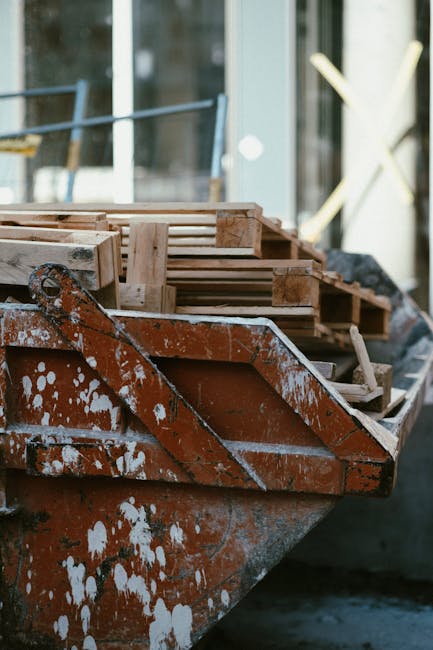
DIY vs Pro: When to Hire Rubbish Removal Experts
If you are staring at a pile of broken furniture, garden waste, old boxes, or a builder's mess and thinking, "Can I just do this myself?", you are not alone. The DIY vs Pro: When to Hire Rubbish Removal Experts decision is one of those jobs that looks simple at first and then, well, gets awkward fast. A van, a few gloves, and a free Saturday sound manageable. Until you realise the load is heavier than expected, the council booking is weeks away, or the waste includes items you cannot just toss anywhere.
This guide breaks the decision down properly. You will see when DIY makes sense, when it stops being practical, and why professional rubbish removal can save time, hassle, and sometimes a lot of backache. We will keep it grounded, honest, and useful, with no fluff. If you want a clear way to decide, you are in the right place.
For readers comparing service types, it can also help to understand the difference between general rubbish removal and more specific jobs such as waste clearance or bulk waste collection. The job type matters more than people think.
Table of Contents
- Why the DIY vs Pro decision matters
- How the two approaches work
- Key benefits and practical advantages
- Who this is for and when it makes sense
- Step-by-step guidance
- Expert tips for better results
- Common mistakes to avoid
- Tools, resources and recommendations
- Law, compliance, standards and best practice
- Options and comparison table
- Case study or real-world example
- Practical checklist
- Conclusion
- Frequently asked questions
Why DIY vs Pro: When to Hire Rubbish Removal Experts Matters
This decision matters because rubbish removal is not just about "getting rid of stuff". It affects safety, time, cost, access, disposal rules, and often your own peace of mind. A small job can turn into a bigger one if you underestimate volume, weight, or sorting. And let's face it, nobody wants to spend an entire weekend loading awkward furniture into a borrowed car and then driving around trying to find somewhere that will take it.
There is also the practical side. Some items are easy to manage yourself. Others are awkward, heavy, messy, or potentially restricted. Think mattresses, fridges, builders' rubble, old plasterboard, wet garden waste, or a garage full of mixed clutter. The more mixed and bulky the load, the more attractive professional rubbish removal becomes.
In our experience, the real question is not "Can I do it?" It is "Should I do it, and is the result worth the effort?" That is the difference. DIY is often fine for light, low-risk waste with simple disposal. Pro removal starts to make sense when the job needs speed, labour, access planning, sorting, or responsible handling of difficult items.
Practical takeaway: if the job would take you several trips, multiple bags, or a lot of lifting, it is time to compare the true DIY effort against a professional collection.
How DIY vs Pro: When to Hire Rubbish Removal Experts Works
DIY rubbish removal usually means you sort the waste, bag or load it yourself, transport it to a disposal point or arrange a council collection, and deal with the timing and admin. It can be straightforward if the waste is small in volume, safe to handle, and easy to move. A few bags of old clothes, cardboard, or a light garden tidy-up? That is often manageable.
Professional rubbish removal works differently. A team collects the waste from your property, loads it, sorts it, and takes responsibility for disposal routes that suit the material. Depending on the service, they may clear everything in one visit or handle specific items such as furniture, mattresses, fridges, or builders' waste. If you need a full property cleared, services like house clearance, flat clearance, or garage clearance can save a huge amount of time.
The key practical difference is this: DIY transfers the lifting, sorting, and transport burden onto you. Pro service takes that burden away. Simple enough on paper, but in real life that difference can mean the job is finished before lunch instead of dragging into the evening.
What happens during a professional collection
Most professional collections follow a fairly simple flow:
- You explain what needs removing and where it is located.
- The team estimates the load and timing.
- They arrive, assess access, and begin removal.
- Items are loaded safely and separated where needed.
- The waste is taken away for appropriate disposal or recycling.
That sounds ordinary, but the value is in the details. A good team knows how to move bulky items through tight hallways, down stairs, or out of awkward garden spaces without turning the place upside down. Not glamorous, but very useful.
Key Benefits and Practical Advantages
The biggest benefit of professional rubbish removal is obvious: it saves your time and physical effort. But there are several other advantages that people often underestimate until they are standing in the middle of a half-cleared room wondering why they started in the first place.
Benefits of DIY
- Lower upfront cost if you already have transport and disposal access
- Full control over sorting and timing
- Can suit very small, light, non-urgent jobs
- Useful when you are already decluttering in stages
Benefits of hiring rubbish removal experts
- Fast turnaround, often in a single visit
- No van hire, heavy lifting, or multiple journeys
- Better for bulky, awkward, or mixed waste
- More practical for properties with stairs, tight access, or limited parking
- Reduced risk of injury or damage to walls, floors, and doorframes
- Better handling of materials that need careful separation
For larger domestic or commercial clearances, convenience is not a luxury. It is the whole point. If you are dealing with office clutter, old stock, or a renovation site, a service such as office clearance or builders waste clearance can prevent delays that ripple through the rest of the day.
There is also the peace-of-mind factor. Truth be told, many people pay for rubbish removal not because they cannot lift a bag, but because they do not want to spend a precious weekend doing it. Fair enough, really.
Who This Is For and When It Makes Sense
This topic is relevant to a lot more people than you might expect. Homeowners, tenants, landlords, small businesses, property managers, tradespeople, and even families sorting an inherited property all run into the same decision point: handle it yourself or bring in help.
DIY usually makes sense when:
- The waste is light, tidy, and low risk
- You can fit it in a normal car or a small borrowed vehicle
- You already have a legal and convenient disposal route
- There is no urgent deadline
- The load is easy to sort into recyclable or general waste
Hiring experts usually makes more sense when:
- The items are heavy, bulky, or awkward
- You have mixed waste and do not want to separate everything yourself
- The property has stairs, limited access, or no lift
- The job needs to be done quickly
- You are clearing a full room, garage, loft, or garden
- You would need multiple trips or a hired vehicle
A good rule of thumb: if the job would eat up most of your day, it is probably not a "quick DIY task" anymore. That is especially true for larger clear-outs like loft clearance, bed disposal, or mattress disposal.
And if you are in London, parking and access can be part of the problem before the first item even moves. Narrow streets, timed loading bays, busy blocks, and stair-heavy flats all tilt the scales toward a pro service pretty quickly.
Step-by-Step Guidance
If you are trying to decide between DIY and a pro, use this practical process. It keeps the decision less emotional and more realistic.
1. Identify exactly what needs removing
Start by separating the load into broad groups: general household rubbish, bulky furniture, garden waste, white goods, DIY debris, and any items that may need special handling. A pile that looks small in a corner can be surprisingly heavy once sorted.
2. Estimate volume and weight
Ask yourself a blunt question: how many trips would this take if you did it yourself? One car boot? Three van loads? Two hours? Six? This is where the honest answer usually appears. If the load includes awkward furniture such as sofas or wardrobes, a professional option like furniture removal or sofa removal may be the easier path.
3. Check access and lifting challenges
Stairs, narrow hallways, basement storage, basement flats, and garden waste hidden behind sheds all make DIY harder. Even if the waste itself is manageable, the route out may not be. It is usually the hallway that wins the argument, not the bin bag.
4. Compare all costs, not just the quote
DIY costs can include van hire, fuel, parking, disposal fees, equipment, time off work, and the risk of extra trips. Professional quotes may look higher at first glance, but they often include labour, transport, and disposal in one service. For a clearer picture, a page like pricing and quotes can help you understand how the service is usually structured.
5. Check timing and urgency
If the waste needs removing before a move-out date, end of tenancy inspection, renovation handover, or property sale, speed matters. A service that can clear in one appointment may save you from a lot of stress.
6. Decide based on risk and effort, not just habit
People often default to DIY because they are used to "just doing things themselves". That works fine until the task is bigger than expected. Be honest. If you are already tired before starting, that is a sign.
Expert Tips for Better Results
A few practical choices can make the whole process easier, whether you go DIY or pro.
- Sort before you move. Keep reusable, recyclable, and general waste separate where possible. It saves time later.
- Measure bulky items. Doors, stairwells, and lifts are the usual bottlenecks.
- Clear a route first. Move bins, bikes, and obstacles out of the way before lifting anything heavy.
- Be realistic about your back. One bad lift can ruin an entire week. Not ideal.
- Ask about special items. Fridges, mattresses, and certain bulky items may need specific handling, so plan ahead.
- Use photos when requesting a quote. A few clear pictures are often more useful than a long explanation.
If you are dealing with mixed bulky waste, categories like bulky waste collection or large item collection are often a better fit than trying to force everything into a general plan.
One more thing: keep the job tidy as you go. A quick sweep after the load is gone makes the space feel properly finished. Small thing, but it matters.
Common Mistakes to Avoid
Most problems with rubbish removal do not come from the waste itself. They come from bad assumptions. Here are the common ones.
- Underestimating volume. The pile doubles in your head after two minutes, and that is usually because it was always bigger than it looked.
- Ignoring access. A collection vehicle may not be able to stop where you want it to.
- Mixing everything together. This can make disposal harder and slower.
- Forgetting about heavy items. Sofas, wardrobes, fridges, and soaked garden waste can be surprisingly tough to move.
- Choosing DIY when time is the real issue. If you need it done tomorrow, a DIY plan may not be the best fit.
- Not checking what is included. A quote that looks cheap may not cover everything you actually need.
Another mistake is assuming all rubbish is the same. It is not. A few bags of clothing and cardboard are not the same as a garage full of broken furniture and renovation offcuts. That distinction changes the whole decision.
Tools, Resources and Recommendations
If you are leaning toward DIY, keep the right tools nearby. It makes the job safer and less frustrating.
- Strong gloves
- Heavy-duty rubble sacks or contractor bags
- A trolley or sack truck for heavier items
- Protective footwear
- Dust sheets or old blankets for moving furniture
- Labels or marker pens for sorting
- Basic cleaning supplies for the final sweep
For professional help, choose a provider that is transparent about what they collect, how they price the job, and how they handle disposal. If sustainability matters to you, read more about recycling and sustainability so you know what questions to ask. That is not just a nice extra anymore; many customers want a clearer sense that waste is being handled responsibly.
For household-specific work, these services often fit better than a generic approach:
- House clearance for whole-home removals
- Home clearance for general domestic decluttering
- Furniture disposal for old tables, chairs, and wardrobes
- Fridge disposal for bulky appliances
- White goods recycle for appliances that need careful handling
Law, Compliance, Standards, and Best Practice
When rubbish removal involves transport and disposal, compliance matters. In the UK, waste should be handled through appropriate and lawful routes, and you should be careful about who you hand it to. If you are hiring someone, it is sensible to look for signs that they operate responsibly, have suitable insurance, and take safety seriously.
For homeowners and tenants, the practical takeaway is simple: do not assume waste can be left anywhere, and do not hand it to an unverified collector just because the price is low. If it later turns out the rubbish was dumped illegally, that creates a headache nobody wants.
Best practice also includes sensible sorting, safe lifting, and care around items that may need special treatment. Electrical appliances, sharp materials, and heavy construction debris all deserve a bit more thought than a standard black sack. For more detail on the company's general approach to risk and handling, a page such as insurance and safety can be useful context.
If you are dealing with a landlord, tenant, or commercial space, good records help too. Photos, notes, and a clear scope of work reduce disputes later. A small paper trail goes a long way. Boring, yes. Useful, absolutely.
Options, Methods, or Comparison Table
Here is a clear comparison to help you decide which route fits your situation.
| Option | Best for | Pros | Cons |
|---|---|---|---|
| DIY rubbish removal | Small, light, simple loads | Lower upfront spend, full control, flexible timing | Time-consuming, heavy lifting, transport hassle, more effort |
| Council collection | Selected bulky items or local collection needs | Useful for certain items, familiar process | May have waiting times, limited item types, less flexibility |
| Professional rubbish removal experts | Bulky, mixed, urgent, or awkward waste | Fast, convenient, labour included, less physical strain | Usually costs more than doing it yourself |
In some cases, a council route may be enough, especially for isolated bulky items. Services like council large item collection, council rubbish collection, or council waste collection may suit lower-pressure situations. But if you are on a deadline or the load is awkward, professional removal usually becomes the cleaner solution.
Case Study or Real-World Example
Picture a fairly typical London flat clearance. Two bedrooms, a small hallway, a sofa that has seen better days, a mattress, a broken chest of drawers, and a pile of mixed bags from years of "I will sort that later". The owner first considers DIY. On paper, it seems manageable. One van, one friend, a few hours.
Then the reality appears. There is no easy parking outside. The stairs are narrow. The sofa does not fit around the bend without tilting. The mattress catches on the handrail. By the time the first item is halfway down, everyone is sweaty and annoyed, and the flat still looks untouched. Sound familiar?
In that kind of situation, a professional service for flat clearance or a targeted move like sofa collection often makes far more sense. The work gets done in one go, the stress drops, and the property is ready for cleaning or handover much sooner.
The lesson is not that DIY is wrong. It is that the hidden work matters. Carrying things downstairs is one thing. Planning, loading, parking, and disposal are another. That gap is where most people feel the pain.
Practical Checklist
Use this checklist before you choose DIY or hire rubbish removal experts.
- Have I identified exactly what is being removed?
- Is the waste heavy, bulky, sharp, wet, or awkward?
- Can I safely move it on my own or with help?
- Do I have transport, parking, and disposal access?
- Will I need multiple trips?
- Is there a deadline or urgent date involved?
- Would a council collection suit this load better?
- Have I checked whether any items need special handling?
- Do I have the right protective equipment?
- Have I compared the full cost of DIY against professional removal?
If you can answer "no" to several of those, the pro option is probably the smarter one. No drama. Just a better fit.
Conclusion
The DIY vs Pro: When to Hire Rubbish Removal Experts decision comes down to a few honest questions: how much waste there is, how awkward it is to move, how quickly it needs clearing, and how much of your own time and energy you want to spend. DIY can be perfectly fine for light, simple jobs. But once the load gets bulky, mixed, heavy, or urgent, professional help starts to look less like a luxury and more like the sensible choice.
Think of it this way: if the job will cost you more in stress, time, and effort than the service itself, there is your answer. You do not need to turn waste removal into a weekend project just because you technically could. Sometimes the smartest option is the one that lets you move on quickly and cleanly. And honestly, that feels good.
Get a free quote today and see how much you can save.
If you are still weighing up the decision, a quick conversation with a local team can make everything much clearer. The right advice usually saves you from overthinking it.
Frequently Asked Questions
Is DIY rubbish removal cheaper than hiring experts?
Sometimes, yes, but only for small and simple jobs. Once you add transport, fuel, parking, disposal fees, and your own time, the gap can shrink fast. For bulky or awkward waste, professional removal may end up being better value overall.
When should I definitely hire rubbish removal experts?
Hire experts when the waste is heavy, bulky, urgent, or hard to move safely. It is also the better choice for full room clearances, stair-heavy properties, or mixed waste that would take ages to sort and transport yourself.
Can I remove rubbish myself in London?
Yes, for suitable items and if you have a legal and practical way to dispose of them. The challenge in London is often access, parking, and transport rather than the lifting alone. That is why many people choose a collection service.
What types of rubbish are hardest to DIY?
Large furniture, mattresses, fridges, builders' debris, wet garden waste, and mixed house contents are usually the toughest. They are heavy, awkward, and often more time-consuming than they first appear.
Is council collection enough for bulky waste?
It can be, especially if you have one or two items and are not in a rush. But council collections may have timing limits, item restrictions, or less flexibility than a private rubbish removal service.
How do I know if a rubbish removal quote is fair?
Look at what is included, not just the headline price. A fair quote should account for labour, loading, transport, disposal, and any special handling. Photos usually help make the estimate more accurate.
Do rubbish removal experts handle all types of waste?
Not always. Most can handle a wide range of domestic and commercial waste, but some items need specific arrangements. Always check in advance if you have appliances, hazardous materials, or unusual waste streams.
What should I prepare before the team arrives?
Clear access routes, separate anything staying behind, and make sure the team can get to the waste safely. If possible, group items together and tell them about stairs, parking, or tight spaces beforehand.
Is professional rubbish removal better for landlords and tenants?
Often yes, especially for end-of-tenancy clear-outs, abandoned items, or quick turnarounds between lets. It can save time and help get a property back into usable condition faster.
Can I mix garden waste and furniture in one collection?
Sometimes, but it depends on the service and the disposal process. Mixed loads are common, yet it is best to mention everything upfront so the team can advise on the right approach.
What is the biggest mistake people make with DIY rubbish removal?
The biggest mistake is underestimating how long it will take. A job that looks like an hour can easily turn into an entire afternoon once loading, transport, and disposal are included.
How quickly can professional rubbish removal be arranged?
That depends on the provider and the size of the job. Smaller removals can often be arranged more quickly than full clearances. If timing matters, ask early and be clear about your deadline.