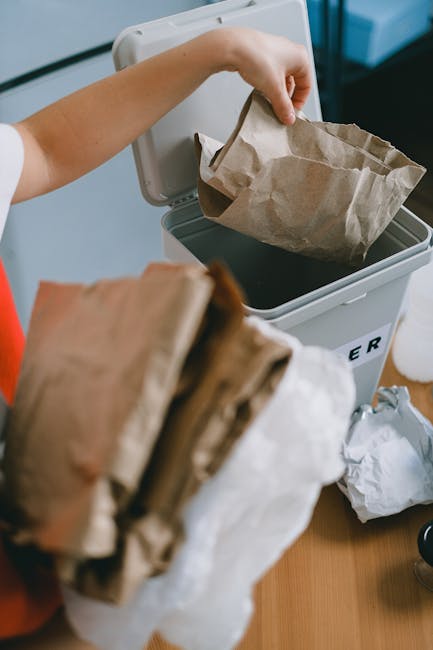
How to prepare home rubbish for a professional collection
If you have a pile of household waste building up in the hallway, shed, loft, or just outside the back door, you are not alone. Most people only think about rubbish collection when it starts getting in the way: a broken wardrobe, a tired mattress, old boxes from a move, the usual "we'll deal with it later" pile. The good news is that how to prepare home rubbish for a professional collection is not complicated once you know what matters and what makes the collection smoother.
This guide walks you through the whole process in plain English. You will learn how to sort waste, what to keep separate, how to avoid delays, and how to make life easier for the collection team. A little preparation goes a long way. Truth be told, it can be the difference between a tidy, quick pickup and a messy job that takes longer than it should.
Table of Contents
- Why preparing home rubbish properly matters
- How a professional collection works
- Key benefits and practical advantages
- Who this is for and when it makes sense
- Step-by-step guidance
- Expert tips for better results
- Common mistakes to avoid
- Tools, resources and recommendations
- Law, compliance, standards and best practice
- Options, methods and comparison table
- Case study or real-world example
- Practical checklist
- Conclusion
- Frequently asked questions
Why How to prepare home rubbish for a professional collection Matters
Preparing rubbish properly is about more than being tidy. It affects speed, safety, price, recycling options, and whether the crew can actually take everything away in one visit. If items are hidden, contaminated, too heavy, or mixed with the wrong materials, the collection can slow down quickly. And nobody wants to stand around on a wet Tuesday morning while a van crew sorts through bags that should have been split beforehand.
In our experience, the best collections are the ones where the homeowner has already done a bit of sorting. That does not mean you need to pre-clean every item or make it look showroom neat. It means giving the team a clear, accessible load that can be removed with minimal fuss. A straightforward handover usually feels calmer for everyone.
There is also a practical recycling angle. Mixed rubbish can limit what can be recovered. Separated items are easier to process, and that matters if you care about diverting reusable or recyclable materials away from general waste. If you are already booking waste removal or a broader waste clearance service, a little preparation can improve the outcome without adding much effort.
How How to prepare home rubbish for a professional collection Works
A professional collection typically follows a simple pattern. You identify what needs removing, book the right service, prepare access, and place items in a suitable location for pickup. The crew then loads the waste, checks what can be separated, and removes it for disposal, reuse, or recycling according to the service type.
The tricky part is that "household rubbish" is not always one thing. It can include old furniture, bagged clutter, garden waste, broken appliances, cardboard, mattresses, loft junk, and the contents of a room you have been meaning to declutter for months. A sofa and a black sack of general waste need different handling. A fridge is a different conversation again.
That is why collections work best when you think in categories. For example:
- General household rubbish: bagged or boxed items from everyday living
- Bulky items: sofas, beds, wardrobes, tables, chairs
- Appliances: fridges, freezers, washing machines, microwaves
- Heavy or awkward waste: broken furniture, mixed clutter, loft contents
- Garden and outdoor waste: branches, soil, trimmings, old sheds
Once you know the category, choosing the right service becomes much easier. If the job includes large items, a dedicated bulky waste collection or large item collection may fit better than a general pickup. For furniture-heavy clearances, pages such as furniture collection and sofa removal are useful examples of the kind of job that benefits from pre-sorting.
Key Benefits and Practical Advantages
Good preparation saves time, but that is only the obvious bit. It also gives you more control over the collection and reduces the chance of awkward surprises. Let's face it, surprises are fine for birthdays, not for rubbish.
- Faster loading: the crew can get in, lift, and leave without stopping to reorganise your pile.
- Lower risk of damage: fewer loose objects means less chance of scratches, spills, or knocks in hallways and stairwells.
- Better access: clear paths reduce the need to move waste around the house at the last minute.
- Cleaner separation: recyclable materials are easier to spot and route correctly.
- More accurate quoting: when waste is grouped properly, estimating volume is much simpler.
There is a subtle but important trust benefit too. When waste is organised, the collection feels professional. The team can see what they are dealing with at a glance. That helps the whole job run more smoothly, especially in properties with narrow stairs, shared entrances, or limited parking.
If you live in a flat or a property with awkward access, the difference is even more noticeable. A prepared hallway in a third-floor flat saves a lot of breathless back-and-forth, and a lot of time. No drama. Just less faff.
Who This Is For and When It Makes Sense
This process is useful for anyone booking a home collection, but it matters most if your rubbish includes mixed household waste, heavy items, or several different materials. A single bin bag is one thing. A mix of old shelves, packaging, a broken vacuum, and garden bags is another story.
It makes particular sense in these situations:
- After a clear-out: when you have emptied a spare room, loft, garage, or shed
- Before or after moving home: when you want less clutter to transport or unpack
- When replacing furniture: if the old bed, sofa, or wardrobe needs to go first
- After renovations: where household waste and light builders waste may have become mixed
- For landlords or tenants: when a property needs resetting quickly between occupancies
- For busy households: when time is tight and the pile is just getting bigger
If the waste is mostly from a home reset, home clearance or house clearance may be the most efficient route. For specific rooms, such as a loft or garage, targeted services like loft clearance and garage clearance can make the job feel much more manageable.
Sometimes the real problem is not the waste itself. It is the emotional drag of dealing with it. You open the cupboard, see the same old pile, and close it again. Happens all the time. A professional collection is often the clean break people need.
Step-by-Step Guidance
Here is a clear, practical way to prepare home rubbish for a professional collection without overthinking it.
1. Walk through the property and list everything to remove
Start with a simple room-by-room check. Look in the kitchen, under stairs, loft, shed, spare bedroom, balcony, and garden. Write down what is going and what is staying. This sounds basic, but it stops items being forgotten or mixed in with things you still need.
During the walk-through, notice access problems too. Is the hallway narrow? Are there steps at the front? Will the team need to park a little further away? Small details like this matter more than people expect.
2. Sort items by type
Split waste into clear groups: general rubbish, recyclables, bulky furniture, appliances, garden waste, and anything potentially hazardous. This helps the collection team load things in the right order and avoid contamination.
A practical example: keep flat-pack cardboard separate from food waste; put old cushions with sofas, not with loose rubbish; keep a fridge apart from broken wood and plastic. It is simple, but it works.
3. Remove anything you need to keep
It sounds obvious, but people often forget documents, chargers, spare keys, remote controls, or the one cable that somehow belongs to everything. Check drawers, behind furniture, and inside bags before anything is placed out for collection.
A quick "do not take this" pile can save headaches later.
4. Bag, box, or bundle suitable items
Loose rubbish is harder to carry and easier to spill. Put smaller items in strong bags or boxes. Flatten cardboard if possible. Tie up lighter bundles of waste where that makes sense. Be sensible here; do not overfill bags until they split on the stairs.
For awkward or sharp items, double-bagging is often a wise move. No need to be heroic about it.
5. Separate special items
Some household items need their own handling. Common examples include mattresses, fridges, freezers, televisions, and anything with batteries or electrical parts. These are often accepted, but not always as part of a general pile.
If you have an appliance, it may be better to place it with specialist services such as fridge disposal or white goods recycle. Mattresses also tend to be handled separately, so using mattress collection or mattress disposal can be the cleaner option.
6. Clear the access route
Make sure the path from the waste to the exit is free of trip hazards. Move shoes, planters, bins, fragile decor, and any stray clutter out of the way. If the crew has to carry items through your home, a clear route protects walls and makes the handover quicker.
If the waste is outside, check that gates are open and access is not blocked by vehicles. A five-minute tidy here can save a lot of awkward lifting later.
7. Place the rubbish where it can be collected easily
Some jobs allow waste to be left outside, while others require removal from inside the property. Follow the booking instructions carefully. If the collection is from inside, stage items in one sensible area. If it is from outside, keep the pile compact and easy to inspect.
8. Take photos if the quote depends on volume
If you are being quoted based on load size, a few clear photos are useful. Take them in good daylight if possible. Show the waste from several angles, plus any bulky items. A photo of a sofa in a dim hallway tells you less than you might think. Morning light near a window is usually better, even if the place is still in that half-awake state after breakfast.
9. Check the appointment details again
Confirm the time, access notes, payment method, and any item restrictions. If you have added extra waste since booking, mention it early. That one small call or message can avoid a lot of back-and-forth.
Expert Tips for Better Results
There are a few habits that consistently make collections easier. None of them are flashy, but they do make a real difference.
- Keep heavy items low and stable: place them where they will not tip over while waiting for pickup.
- Avoid mixing sharp waste with soft waste: broken glass, metal edges, and splintered wood should be contained.
- Do not overload every bag: overpacked sacks are a classic problem and a back injury waiting to happen.
- Use separate stacks for different material types: it helps with fast identification and recycling.
- Label anything uncertain: if there is an item you want to keep or a box with mixed contents, mark it clearly.
One especially useful habit is to prepare by "movement," not just by item type. Ask yourself: what must be moved first, what needs two people, what can be lifted safely on its own, and what should never be shoved into a narrow doorway? That sort of thinking saves time and trouble.
Another tip: if the job includes multiple categories, such as furniture and general waste, keep them visible as separate groups. It makes the collection feel more organised and helps the crew decide the best loading order. A good team will notice. A busy team will appreciate it even more.
Expert summary: the best-prepared rubbish is easy to identify, safe to lift, simple to access, and separated into sensible groups. Keep it visible, keep it stable, and keep the route clear.
Common Mistakes to Avoid
Most problems with home rubbish collections are avoidable. The biggest mistakes are usually simple ones, which is slightly annoying, really, because they are the easiest to fix.
- Leaving items mixed together: it slows the job down and can reduce recycling opportunities.
- Hiding small items inside large ones: drawers, cupboards, or bags inside bags can create confusion.
- Forgetting access issues: locked gates, blocked driveways, and narrow hallways all create delays.
- Including prohibited or sensitive items without checking: not every item can go in every collection.
- Not measuring bulky items: large wardrobes or sofas can be harder to remove than they look.
- Waiting until the last minute: rushed sorting usually means more mess, not less.
Another common issue is assuming everything can be handled in one go. Sometimes it can. Sometimes it cannot, especially if the waste is mixed or access is awkward. If you are unsure, it is better to ask early than to discover the problem when the van is already outside.
And yes, people do occasionally try to hide a full shed's worth of rubbish under "just a few bags." Nice try. It never really stays a few bags for long.
Tools, Resources and Recommendations
You do not need a lot of equipment, but a few basic tools make preparation much smoother. Think practical, not perfect.
- Heavy-duty bin bags: for general household rubbish and lighter clutter
- Cardboard boxes: for smaller items, loose contents, and sorting
- Gloves: useful for dusty loft contents, garden waste, and sharp edges
- Mask: sensible for dusty clear-outs or mouldy stored items
- Label tape or marker pen: handy for "keep", "donate", "recycle", or "remove" groups
- Trolley or sack truck: helpful for heavier items if you are moving them short distances
For larger clearances, internal service pages can help you match the job to the right type of collection. For example, rubbish clearance is a broad option for general household waste, while furniture disposal is more suitable for mixed furniture items. If your pile includes more varied waste, bulk waste collection may be a better fit than a standard small pickup.
If you are planning a larger property reset, services such as flat clearance, bed disposal, or sofa collection can also match common household needs more closely. The key thing is to choose the collection type that fits the waste, not the other way around.
Law, Compliance, Standards and Best Practice
When dealing with home rubbish, it is sensible to follow accepted UK waste-handling practice and to check what the collection provider can take. Homeowners do not need to become waste experts, but a little care goes a long way.
In general, you should separate items that are obviously different in nature, keep hazardous or specialist materials apart, and avoid mixing general rubbish with items that need special handling. If you are not sure whether something belongs in a collection, ask before the booking date. That is the safest approach.
Some items require extra attention. Electricals, appliances, and items containing fluids or gases should not just be left with ordinary waste unless the service says they are accepted. Fridges, freezers, and similar items may need particular handling. The same goes for anything sharp, heavy, or potentially contaminated.
Best practice also includes making sure waste is presented safely. That means no unstable piles, no loose sharp edges sticking out, and no blocked walkways. If the crew is entering your property, the access route should be reasonably clear and safe to use. This is not just courtesy; it is basic common sense.
Reputable providers will usually be insured and able to explain how they handle load type, disposal routes, and safety checks. If that information is unclear, ask for it. A decent company will not mind the question.
Options, Methods and Comparison Table
There is more than one way to deal with home rubbish, and the best choice depends on volume, item type, time pressure, and how much sorting you want to do yourself.
| Method | Best for | Pros | Watch-outs |
|---|---|---|---|
| DIY disposal | Small volumes and simple rubbish | Low cost if you already have transport | Time-consuming, heavy lifting, multiple trips |
| Council collection | Large items where the local service applies | Useful for some bulky waste needs | Availability, waiting times, and item limits can vary |
| Professional rubbish collection | Mixed household waste, furniture, and fast clear-outs | Convenient, quick, often flexible | Costs depend on volume and item type |
| Specialist item collection | Mattresses, fridges, sofas, beds, and appliances | Tailored handling for specific items | May not suit mixed loads unless combined with another service |
For many households, a professional collection is the sweet spot. You avoid the stress of hiring a van, lifting heavy objects yourself, and doing several trips to a recycling centre. That said, if the waste is small and simple, DIY can still make sense. The right answer is the one that suits the actual job.
If you are comparing collection routes, council-based options such as council large item collection, council rubbish collection, and council waste collection may be relevant in some cases. For people in London and nearby areas, service pages like London and broader regional pages such as West London or South West London can also help indicate local coverage.
Case Study or Real-World Example
Here is a realistic example. A family in a London terrace had a spare room full of old furniture, cardboard, broken toys, and a mattress leaning against the wall. They had been meaning to clear it for months, but every time they opened the door, the room looked worse and the job felt bigger.
Before collection day, they sorted everything into three groups: furniture, general rubbish, and items to keep. They removed loose paper, checked inside drawers, and moved a few fragile things out of the way. They also cleared the hallway and left the larger pieces near the front door so the team could work quickly.
The result was simple. The load was removed much faster than they had expected, the hallway stayed clear, and the room was usable again that same afternoon. No heroic effort, no all-day battle, just good preparation. That is usually how these jobs go when done well.
Another small but useful detail: they had originally planned to combine everything with a garden pile, but after sorting it properly, it became clear that the garden waste should be handled separately. That decision saved time and made the pickup easier to manage.
Practical Checklist
Use this before your collection arrives. It is short, but it covers the essentials.
- List all items that need removing
- Separate rubbish by type where possible
- Remove anything you want to keep
- Bag or box small loose items
- Keep sharp, heavy, or awkward items contained
- Check access routes, gates, and parking
- Place the waste where the crew can reach it safely
- Take photos if your quote depends on load size
- Confirm whether special items are accepted
- Make sure pets, children, and fragile objects are out of the way
Quick practical note: if you can tidy the access route in ten minutes, do it. That ten minutes often saves far more time on collection day.
Conclusion
Preparing home rubbish for a professional collection is really about making the job easier, safer, and more efficient. Sort the waste, separate special items, clear access, and communicate clearly about what needs to go. That is the core of it.
You do not need a perfect system. You just need a sensible one. A little planning before collection day means less stress, fewer delays, and a much better chance that everything is removed in one clean sweep. And once the clutter is gone, the space often feels lighter than you expected. Quiet, almost.
If you are ready to move forward, choose the collection type that matches your waste, prepare the load properly, and keep the process simple. That way, the whole thing becomes a practical task rather than a weekend headache.
Get a free quote today and see how much you can save.
Frequently Asked Questions
What should I do before a professional rubbish collection arrives?
Sort the waste by type, remove anything you want to keep, bag or box smaller items, and clear a path to the collection point. If possible, separate bulky items from general household rubbish so the crew can load everything more efficiently.
Do I need to bag home rubbish before collection?
Not always, but it helps a lot for loose household waste. Bagging or boxing smaller items makes them safer to handle and quicker to remove. Large furniture, mattresses, and appliances are usually handled separately.
Can I mix furniture and general rubbish together?
Sometimes mixed loads are accepted, but it is better to keep furniture grouped together where possible. It makes loading faster and helps the team identify items that may need different handling or disposal routes.
How do I prepare bulky items like sofas or beds?
Make sure they are accessible, clear away surrounding clutter, and remove loose cushions or bedding if requested. For large items, a dedicated service such as sofa collection or bed disposal is often the smoother option.
What happens if I have a fridge or freezer to remove?
Appliances often need specialist handling. Keep them separate from general waste and check whether the provider accepts white goods. Fridge disposal and white goods recycle services are usually more suitable than mixing them into a general pile.
Should I clean items before collection?
A basic clean is sensible if items are dirty, damp, or likely to leak. You do not need to deep-clean everything, but removing obvious food residue, liquids, and loose debris is considerate and practical.
How do I know if my collection quote will change?
If the volume or type of waste changes after booking, tell the provider as soon as you can. Quotes are often based on load size and item type, so adding extra bags or bulky items may affect the final price.
Can professional collectors take items from inside my home?
Often yes, although the exact service depends on the provider and access conditions. Clear hallways, staircases, and doorways make internal collection much easier and help reduce the risk of damage.
Is it better to use council collection or a private service?
It depends on the waste and how quickly you need it gone. Council services can suit certain large-item jobs, while private professional collections are often more flexible for mixed loads, faster appointments, and home clear-outs.
What items should never be left mixed with ordinary rubbish?
Anything potentially hazardous, sharp, or specially regulated should be checked first. That includes certain electricals, items with fluids, batteries, and anything contaminated. When in doubt, separate it and ask before the collection date.
How far in advance should I prepare home rubbish for collection?
For a simple pickup, the day before is often enough. For bigger clear-outs, start sorting a few days earlier so you are not rushing at the last minute. The earlier you prepare, the easier the day feels.
What is the biggest mistake people make?
The biggest mistake is leaving everything in one mixed heap and hoping it will sort itself out later. It usually does not. A little organisation up front saves time, reduces confusion, and makes the whole collection feel much more straightforward.